2020
Metatarsalgia in Morquio A Syndrome
Acta Scientific Clinical Case Reports, 1(3), 2020. Eid MM, Al-Safi MK, Hanna SS, Khaja A
Read the paperSpecialist care for the foot and ankle in Kuwait: deformities, tendon and ligament injuries, arthritis, diabetic foot and fractures, with a preference for minimally invasive techniques wherever they are safe and effective.
Trained in Kuwait, the UK and Canada, and a trainer and examiner in the Kuwait Orthopaedic Board. Every plan starts with a careful examination and a clear explanation of your options.
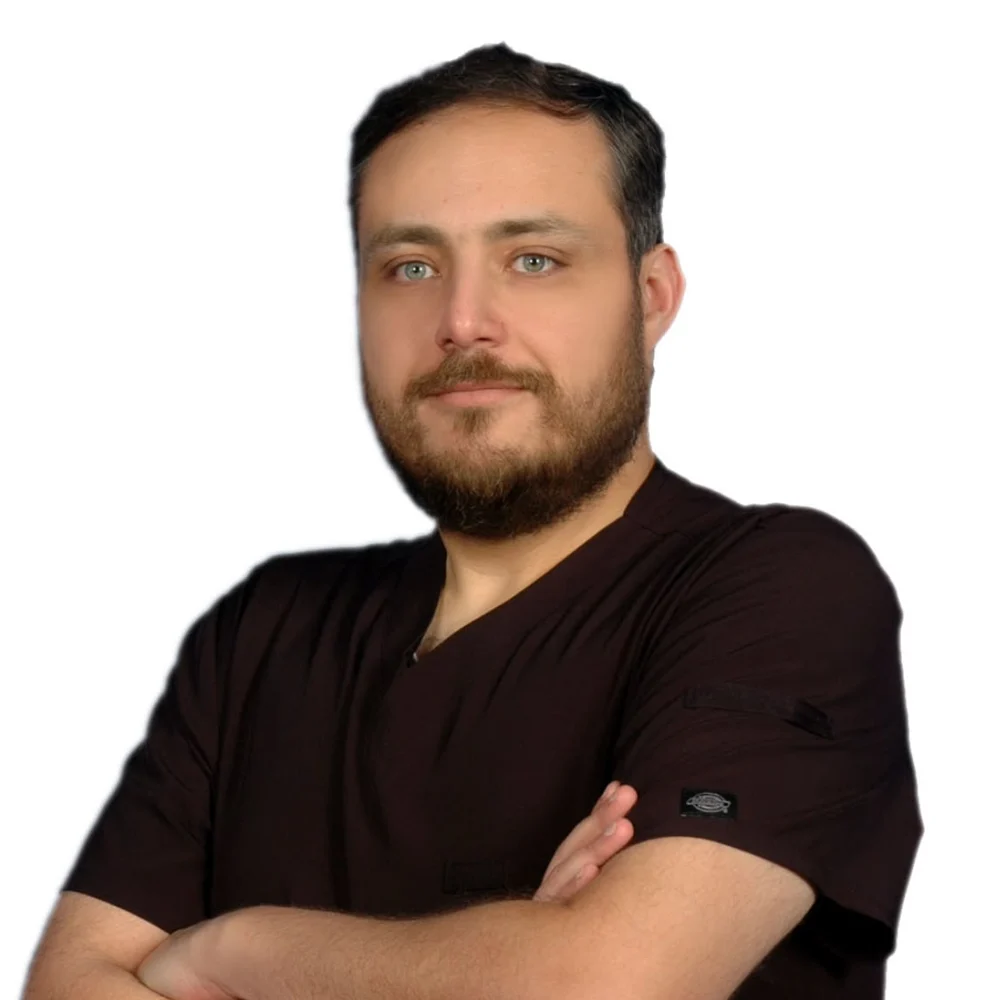
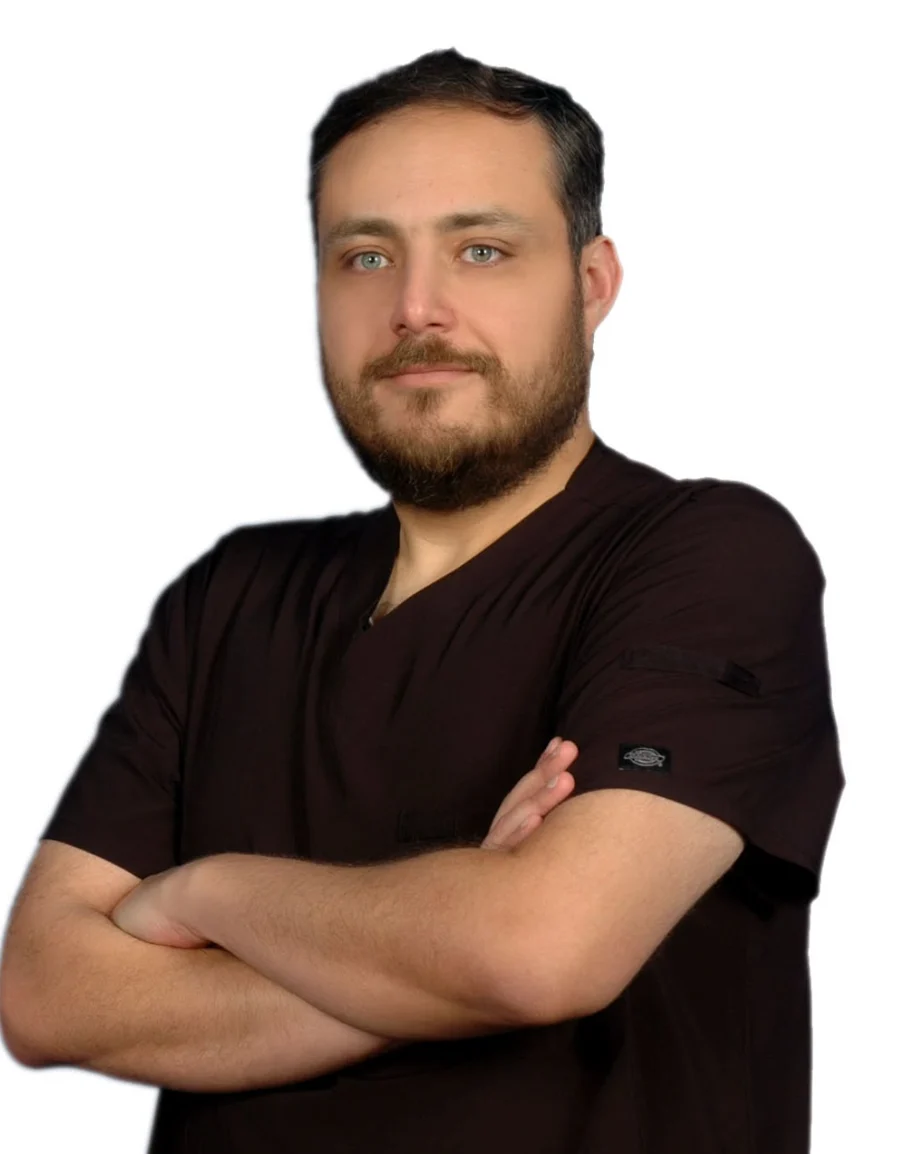
I am Dr Mohammad Eid, a Kuwaiti consultant orthopaedic surgeon dedicated to surgery of the foot and ankle, one of the first in Kuwait to focus on this field. I completed my orthopaedic training in Kuwait, then a fellowship in foot and ankle surgery at Dalhousie University in Halifax, Canada, under Professor Mark Glazebrook.
I led the Orthopaedic Department at Farwaniya Hospital, helping build a modern, specialised service, and I now work as a consultant in several hospitals. I also teach medical students at Kuwait University and train and examine doctors in the Kuwait Orthopaedic Board and the foot and ankle subspecialty programmes.
My research includes one of the first descriptions of the complex foot and ankle deformities of Morquio syndrome in children, together with a surgical technique to reconstruct them, and a percutaneous technique for ankle ligament reconstruction. I received a certificate of appreciation from the Prime Minister, His Highness Sheikh Sabah Al-Khalid Al-Hamad Al-Sabah, for my efforts during the COVID-19 pandemic.
Consultation, imaging review and surgical treatment for the whole foot and ankle, for adults and children.
Bunions, stiff big toe and deformed lesser toes, corrected to restore a comfortable, well-aligned foot.
Reconstruction of flat or high-arched feet in adults and children, with joint-preserving methods first.
Instability, impingement, arthritis and deformity of the ankle, from keyhole surgery to joint replacement.
Heel and tendon problems, the Charcot foot of diabetes, and nerve compression in the foot.
Fractures and injuries of the foot and ankle, treated with the least invasive method that gives a reliable result.
Many foot and ankle problems improve with footwear changes, insoles, physiotherapy, injections or bracing. Surgery is discussed when these are not enough, and its benefits, risks, recovery and alternatives are explained to you first.
Foot and ankle consultations and surgery.
Fractures, foot and ankle injuries and flatfoot in adults and children.
To arrange a visit, contact the appointments desk of the hospital and tell them the reason for your visit. After examination, the imaging and treatment that suit your condition will be planned.
Press coverage, conferences and honours from the doctor's work at Farwaniya Hospital and beyond.
Plain-language articles on common foot and ankle problems, to help you know when to seek an assessment.
Publications and scientific presentations in foot and ankle surgery and public health.
Acta Scientific Clinical Case Reports, 1(3), 2020. Eid MM, Al-Safi MK, Hanna SS, Khaja A
Read the paperPublished 2018
Lecture, Kuwait Trauma Conference, March 2017
Master's thesis, Kuwait University, 2015. Best scientific paper, 2nd Qatar Foot and Ankle Conference, Doha, 2015
East Mediterr Health J. 2010;16(7):725-31. Al Khalaf MM, Eid MM, Najjar HA, Alhajry KM, Doi SA, Thalib L
Read the paperWhen foot or ankle pain, a deformity or swelling lasts more than a few weeks, limits walking or sport, or does not improve with simple measures. See a doctor sooner after an injury, if you cannot put weight on the foot, or if you have diabetes and notice a sore, redness or a change in the shape of the foot.
No. Wider shoes, insoles and activity changes help many people. Surgery is considered when the bunion causes persistent pain, makes shoes difficult or keeps getting worse, and the method depends on the size of the deformity.
Most sprains heal with rest, support and physiotherapy. Repeated giving way or ongoing pain may point to chronic instability or a cartilage injury and deserves assessment, sometimes with an MRI or ankle arthroscopy.
It means treating the problem through very small cuts, which usually means less pain, less scarring and a faster return to walking. Not every problem suits it, and the doctor will explain whether it is right for you.
Bring your X-rays, scans and reports, the list of medicines you take, and the shoes you wear most often. Tell the doctor about diabetes, smoking and previous surgery.
To book, contact the appointments desk of the hospital where you wish to be seen, mention the doctor's name and the reason for your visit, and bring your previous reports, scans and list of medicines.
To book, contact the appointments desk of the hospital where you wish to be seen and mention the doctor's name and the reason for your visit.